
The Ministry of Finance has participated in a three-day Institutional Capacity Building and Fiduciary Clinic organised by the African Development Bank (AfDB) to strengthen the capacity of institutions involved in the implementation of AfDB-financed projects in Ghana.
The AfDB currently supports Ghana through 20 ongoing operations valued at approximately US$672 million. The financing supports interventions across key sectors, includes agriculture, which accounts for about US$161.3 million (24%); transport, US$147.8 million (22%); social interventions, US$100.8 million (15%); and multi-sector and governance programmes, US$94.1 million (14%). Other areas include power, with about US$80.6 million (12%); water and sanitation, US$47 million (7%); and finance, US$40.3 million (6%).
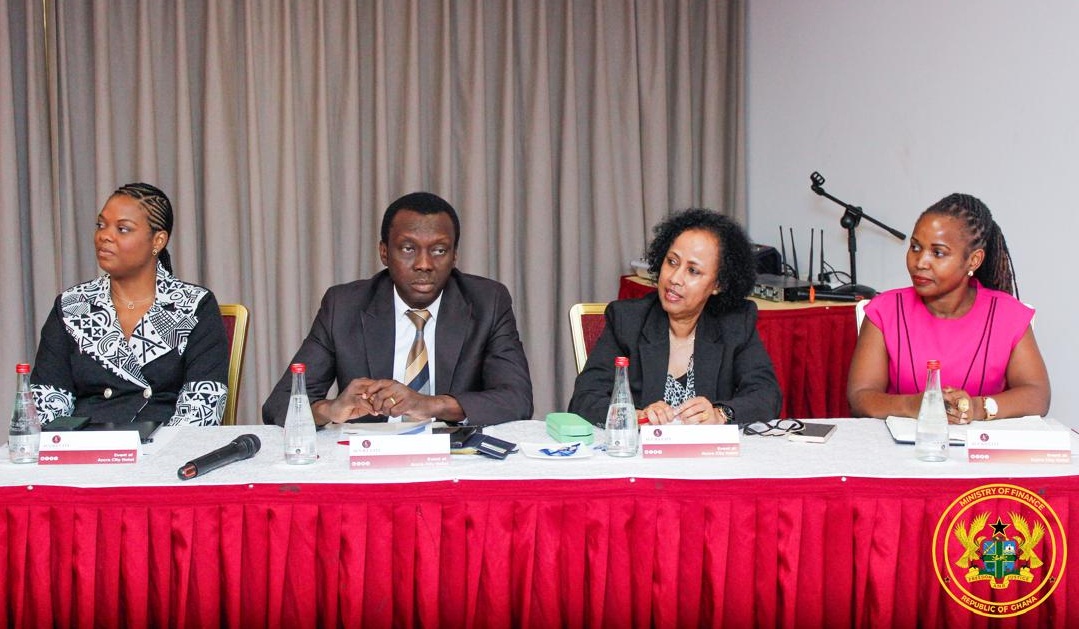
The Director of External Resource Mobilisation Division of the Ministry of Finance (ERM), Mr. Isaac Fraikue, said effective implementation of these projects required more than financial resources, stressing the importance of strong institutional capacity, sound procurement practices and effective financial management. He noted that strong fiduciary systems were essential to ensuring value for money, transparency and accountability, while delays in procurement, processing and disbursement could delay the benefits of projects to citizens.
Mr. Fraikue expressed appreciation to the AfDB for its continued partnership and support to Ghana’s development agenda. He encouraged participants to use the clinic to examine practical challenges affecting project implementation, share experiences and identify solutions before such challenges adversely affect projects.
The AfDB Country Manager to Ghana, Halima Hisha, highlighted the Bank’s support to Ghana through its 20 ongoing operations. She said the clinic was aimed at strengthening the capacity of project teams in areas including procurement, financial management, environmental and social safeguards, monitoring and evaluation, gender and climate issues.
The clinic brings together representatives from sector ministries, Project Implementation Units and other key stakeholders.